

 0
0
Femoroacetabular impingement (FAI) is now a common term in orthopedics. When I first started practicing physical therapy the term did not exist. As a matter of fact, I was told my hip had a bone spur in the early 2000’s, and I am sure it would now be classified as FAI. If you are unfamiliar with it, click here to read a prior post on the basics of it.
Today, as clinicians we face the tough task of helping patients overcome hip pain related to overuse injuries, acute strains, osteoarthritis, myofascial pain, etc. One of the biggest challenges is definitively identifying the etiology of hip pain. Hip pain can be extra-articular (outside the joint) or intra-articular in nature (in the joint). Consider this retrospective study published in AJSM in 2015 by Naal et al. on sonographic presence of groin hernias and adductor tendinopathy with FAI.
Differential diagnoses when ruling in/out FAI include:
- Adductor (groin) strain
- Rectus femoris strain or avulsion
- Iliopsoas tendinitis
- Athletic pubalgia
- Trochanter pain/bursitis
- Femoral neck stress fracture
- Osteitis pubis
- Cancer
- Genitourinary issues
- Low back pain
The list above is certainly not all inclusive. The key to obtaining a more accurate diagnosis involves taking a thorough history, performing a comprehensive exam, and getting appropriate imaging. Click here to learn about a paper on the diagnostic validity of tests to predict intra-articular hip pathology. Soft tissue pain related to muscle strains should improve with rest and treatment, whereas joint pain related to FAI is usually consistently painful or worse with increased repetitive activities such as running, dancing, twisting, jumping, cutting, etc.
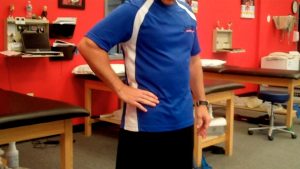
Patients with FAI will often cup their hip and make what is referred to as the “C sign” when describing where they feel the pain.


 Back to top