

Brian Schiff’s Blog
Injury Prevention, Sports Rehab & Performance Training Expert
 0
0
It is no secret that the average male gym goer loves to do plenty of bench press exercises. I was out at a piano bar last weekend celebrating the 10 year wedding anniversary of some close friends and witnessed the “bar body” syndrome firsthand.
For those not familiar with this lingo, the “bar body” belongs to the guy who overworks the chest and biceps, while typically neglecting the back leg muscles altogether. They routinely sport tight t-shirts and jeans even in the dead of summer in Ohio.
I spotted the bouncer right away. He was likely 25 years old and obviously proud of his caveman posture and large stature. What he does not know is that in 5-15 more years he will likely suffer significant shoulder impingement and AC joint arthritis, not to mention he will have little to no upper body flexibility.

Know anyone that fits this description? Look around in your local health club and you will surely find them. So, the takeaway messages are:
- Perform back to chest strengthening exercises in a ratio of 3:2 or even 2:1 to promote balance and better posture
- You do not need to bench press all the time (once per week is sufficient and may even be too much for some)
- You should do routine flexibility exercises for the chest as these muscles are tight in most of the population and they can contribute to increased internal rotation of the shoulders and rotator cuff problems
In light of this, I want to share a few effective exercises from my brand new Training & Sports Medicine Update Newsletter. To view these exercises, click HERE.
If you enjoyed this information, you can get even more info on exercise, recent research, sports performance training, injury prevention and rehab delivered to your inbox monthly by signing up for a subscription to my newsletter. You can grab the digital version for just $9.95/month. By subscribing, you are become eligible for immediate product discounts and promotional pricing on all new items.
Click here to sign up and get the entire first issue today!
In health,
Brian
In my blog I like to share new exercises and columns I write with you. Today, I am sharing the latest column I recently wrote for PFP magazine. If you like core killer exercises, then this one is for you. It also stresses shoulder stability. Note: this exercise requires a moderate to high level of upper body strength.

Start Position
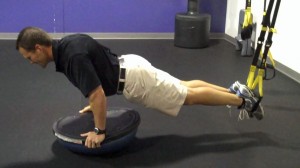
Forward Rocking Position

Backward Rocking Position
If you enjoy these types of exercises, stay tuned as I was recently asked by Fitness Anywhere (makers of the TRX) to do an online blog series on BOSU & TRX combo exercises. Look for these real soon. They will also include video demonstrations.
To see the complete instructions on how to perfrom the TRX Suspended BOSU Body Saw, read my online PFP column by clicking HERE.
A quick note for those who follow my blogs. I have been wanting to launch two new information based platforms this year: a monthly printed newsletter and online membership site. What I have realized is that I am so busy I will likely not get both done in 2010 as I am also working on my Fit Knees DVD series as well as running my training business.
So, I have prioritized the printed newsletter titled Brian Schiff’s Training & Sports Medicine Update. My love and passion lies in sports medicine, injury prevention and sports performance training. So, the newsletter will have the following components:
- Exercise of the month – I will share pics and how to info with you
- Sports performance – topics relevant for athletes and weekend warriors
- Injury prevention – tips on how to stay injury free
- Rehab – advice on how to rid yourself of aches, pains and injuries
- Research corner – review of current pertinent research and trends
- Q & A – ask me your own questions about training and injuries
My goal for this publication is to deliver solid up to date information for coaches, ATC’s, physical therapists, parents, weekend warriors and athletes seeking information on how to be their physical best and remain injury free. You can see the art for the inaugural issue soon to be released below.
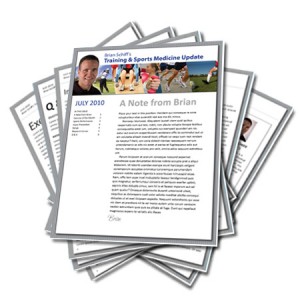
For more information and to stay updated on the official launch, be sure to sign up for my newsletters at www.brianschiff.com. I will be offering a special launch price to the first 100 subscribers. I look forward to helping you stay healthy and performing optimally for many years to come.
At this phase of my career, I have been around long enough and successful (or rather blessed) enough to be considered an expert in my field. This affords me the opportunity to see and work to fix complicated client issues as well as teach others how to do the same.
One mistake I see time and time again in rehab and sports training is a lack of sound sequential and functional progression. I blame part of this on the demise of insurance programs as we once knew them as therapy sessions are now limited both in scope of coverage and number of visits. But, the rest of the blame often falls squarely on the shoulders of therapists, doctors, sports performance specialists and coaches. Okay, parents may deserve a spot in my blame circle too.

Why do I say blame? Well, to be honest we often mislead or let down athletes recovering from injury by not listening enough, pushing them too hard, not pushing them hard enough, using outdated or irrelevant protocols, or incorrectly assuming they will heal like the last person with injury X. Sound at all familiar? Ever wonder why some people with the same injury recover differently and/or suffer a re-injury so soon after going back to sport?
Now, read on as this blog post is not a rant. The point I want to be crystal clear on is that we as caretakers and health providers of young athletes must be on our game at all times. This means we must be willing to continually learn and drop our assumptions, standard protocols, experiences and such at the door each time we see a new case. We must apply and adjust our plan based on each individual we see.
Ont thing I am certain of is that no two humans are exactly alike. Therefore, we must consistently assess and re-assess. I believe the real magic if you will that at times occurs for me with my athletes is less a result of my own doing and more a result of my intuition and ability to communicate and extract information at critical times from my clients.
You may think that this happens in every therapy clinic and sports training realm, but trust me when I say that line of thinking is naive. I have personally heard and witnessed too many failed rehab stories and examples of lackluster care/training to validate it. As trainers and rehab specialists, we must be willing to do the following to maximize the success of our clients:
- Listen to the spoken and unspoken words
- Observe everything (movement, emotion, and facial expressions)
- Encourage the athlete or client to communicate freely, frequently and most importantly honestly
- Craft a daily plan based 100% on how the client is doing at that very moment in time – this is tough as you may have to scrap your entire preplanned workout
- Challenge our own beliefs, assumptions and strategies all the time – it becomes easy to get stuck in a rut or fall back on doing the same thing for similar problems. We must guard against complacency in our programming. We must always seek new and better ways to do things.
- Involve the athlete/client in the decision making process – in other words explain the “why” behind things and relate it to their activity, rehab or sport. Most of the time they will work harder and cooperate more when you do this simple thing.
- Provide routine progress updates verbally (I call them affirmations) to the client and their family. We all like to know how we are doing and being vague and having no clear direction or goals is simply unacceptable. Encourage your clients and let them know how they are progressing in straightforward terms.
These are just the seven biggies that come to my mind right now. The takeaway here is that training and rehab is and always should be exacting, yet flexible at the same time. Fluid, seamless tweaking and adjusting are hallmarks of all the greats. Clients should accept nothing less than this precise, analytical and results driven process, nor should we be willing to offer any less.
Following this blueprint will accelerate recovery, maximize performance gains and minimize injuries. Isn’t that what it is all about? Here’s to harnessing our passion and giving the absolute BEST to those we are fortunate enough to serve.
If you read my blog, then you know I contribute a column for PFP Magazine. I have been doing a series for them on TRX training as of late. My most recent column included an incredibly challenging exercise incorporating a plank and push-up.
Time is precious for many of us in the gym, so I am always looking for the best return on my time with each and every exercise I choose. While this one is not for the novice or inexperienced TRX user, I assure you it will be one you will love to hate! Scroll down to check out the column and see how many you can crank out before you fatigue.
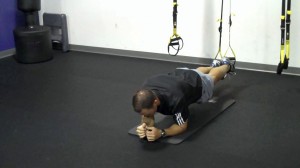
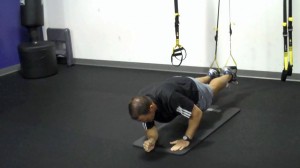
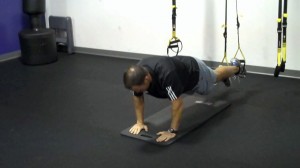
Click here to read how to correctly perform the exercise, use a progressive build up series and understand the functional application. I hope you enjoy this as much as I do!
Finally, I want to wish all my American readers a Happy 4th of July!
 Back to top